

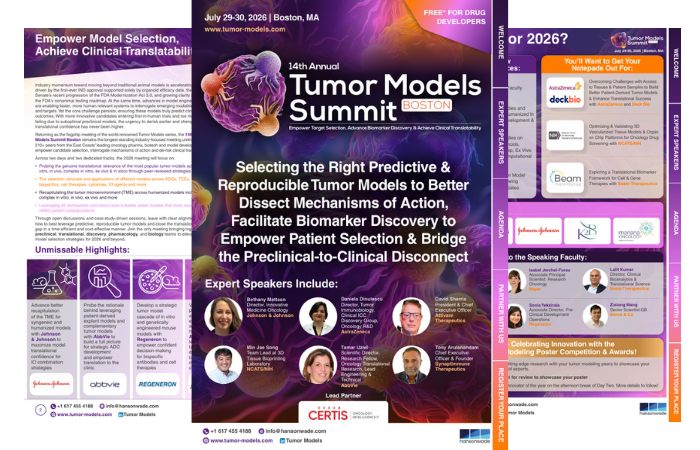
Selecting the Right Predictive & Reproducible Tumor Models to Better Dissect Mechanisms of Action, Facilitate Biomarker Discovery to Empower Patient Selection & Bridge the Preclinical-to-Clinical Disconnect
Following the first‑ever IND approval supported by organoid‑only efficacy data from SillaJen, alongside the FDA’s March 2026 draft guidance on New Approach Methodologies (NAMs) - providing much‑needed clarity on how to confidently integrate NAMs into regulatory submissions - and continued global regulatory momentum to reduce reliance on animal testing, the oncology field is entering a new era of human‑relevant drug development. Advances in tumor model engineering are further accelerating this shift, enabling more sophisticated interrogation of emerging modalities and targets.
Driven by Rapid Industry Momentum:
- AbbVie’s recent ADC approval underscores continued progress in targeted therapies
- Johnson & Johnson’s $1bn acquisition signals rising investment in next-gen modalities targeting difficult biology like KRAS
- Novartis’ multi-billion-dollar breast cancer deal highlights the race for more selective, better-tolerated therapies
- AstraZeneca’s evolving HER2 strategy continues to reshape standards of care
Yet, despite this progress, the core challenge remains unchanged: ensuring preclinical models truly translate to the clinic. As more innovative therapies advance into first‑in‑human trials, too many still fail due to suboptimal model selection, driving escalating R&D costs and delayed timelines. In this rapidly shifting landscape, the need to de‑risk earlier and build confidence in translational data has never been greater.
This meeting allows myself and my team to understand developing trends and model development on in vivo models for cancer therapeutics. This is also a nice opportunity to network in a more in vivo pharmacology-related setting.
Bethany Mattson, Director, Innovative Medicine Oncology, Johnson & Johnson

The series of Tumor Models meetings has been providing a broad and extensive overview of in vitro, ex vivo and in vivo models available for accelerating drug discovery and development. The presentations and scientific interactions have been extremely valuable.
Tamar Uziel, Scientific Director, Research Fellow, Oncology Translational Research, Lead Engineering & Technical, AbbVie

This meeting is a great venue for networking and discussing practical considerations for a variety of tumor models with utility for a diverse set of modalities.
Johanna Kaufmann, Chief Scientific Officer, Deck Bio

Explore the Previous Event Guide
- Preview featured drug developer case studies on in vitro, in vivo, complex in vitro, ex vivo & more across multiple indications & novel modalities
- Explore dedicated, structured discussion sessions for unfiltered benchmarking with peers and model developers alike
- Unrivalled opportunities to network with preclinical and translational oncology experts from leading companies
- The East Coast’s longest standing meeting dedicated to the advances and best practices in tumor modeling for industry
Previous Partners






Attending Companies Included






Explore Related Events


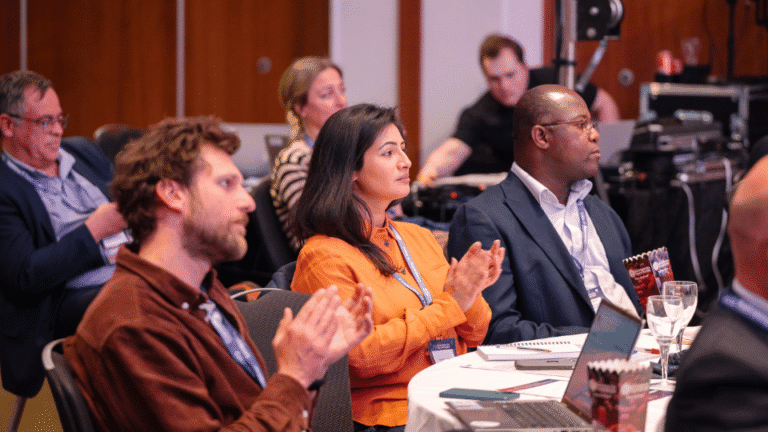
Explore the Previous Agenda
Study the latest preclinical and translational data on tumor modeling and gain first-hand insight into model selection strategies for in vitro, in vivo, complex in vitro, ex vivo and more.
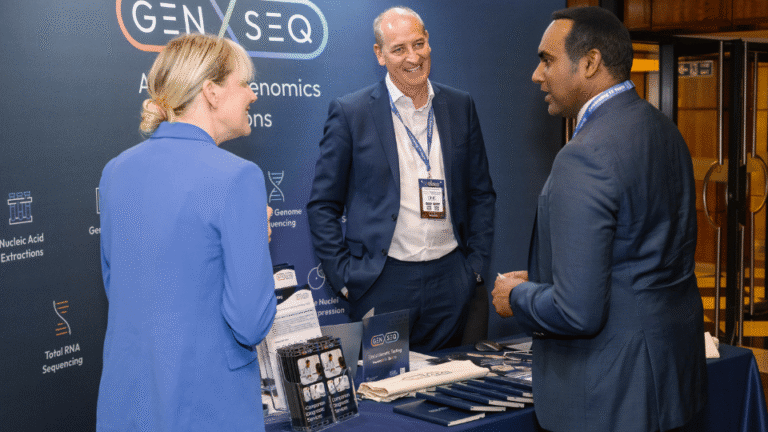
Partner With Us
Position yourself as the partner of choice amongst the leading East Coast biotech and pharmaceutical companies driving the future of oncology drug development.
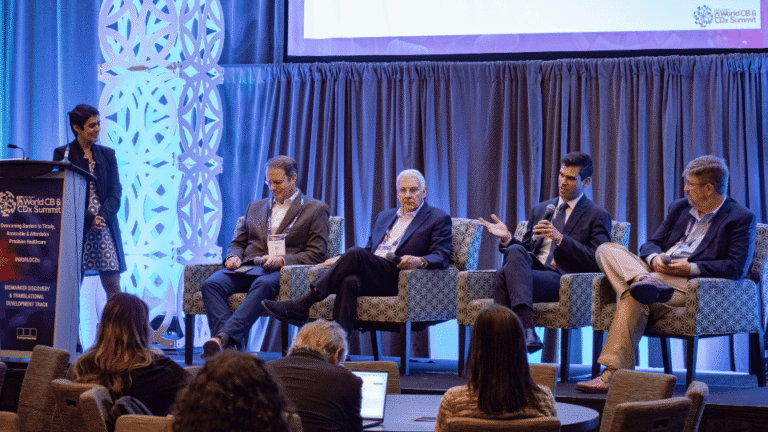
Join East Coast Oncology Industry Experts
Connect with experts working across distinctive modalities and align on questions to progress translational decision-making.